Is Drano Safe for Your Pipes? What a Plumber Uses Instead
A bottle of drain cleaner feels like the easy fix. Here is what it does, when it backfires and what to try first.
- 24/7 emergency calls
- Nights, weekends and holidays
- Mission Viejo, CA
What Chemical Drain Cleaners Do
Most liquid drain cleaners work by chemical reaction. Strong alkaline products contain lye, which is sodium hydroxide, and acid-based ones use a strong acid. Both are designed to eat through whatever is blocking the pipe, usually hair, grease or soap.
Poison Control warns that strong alkali drain cleaners are highly caustic and can cause chemical burns on the skin and in the lungs if strong fumes are inhaled. That is the first reason to be careful. The second is what happens when the product does not work.
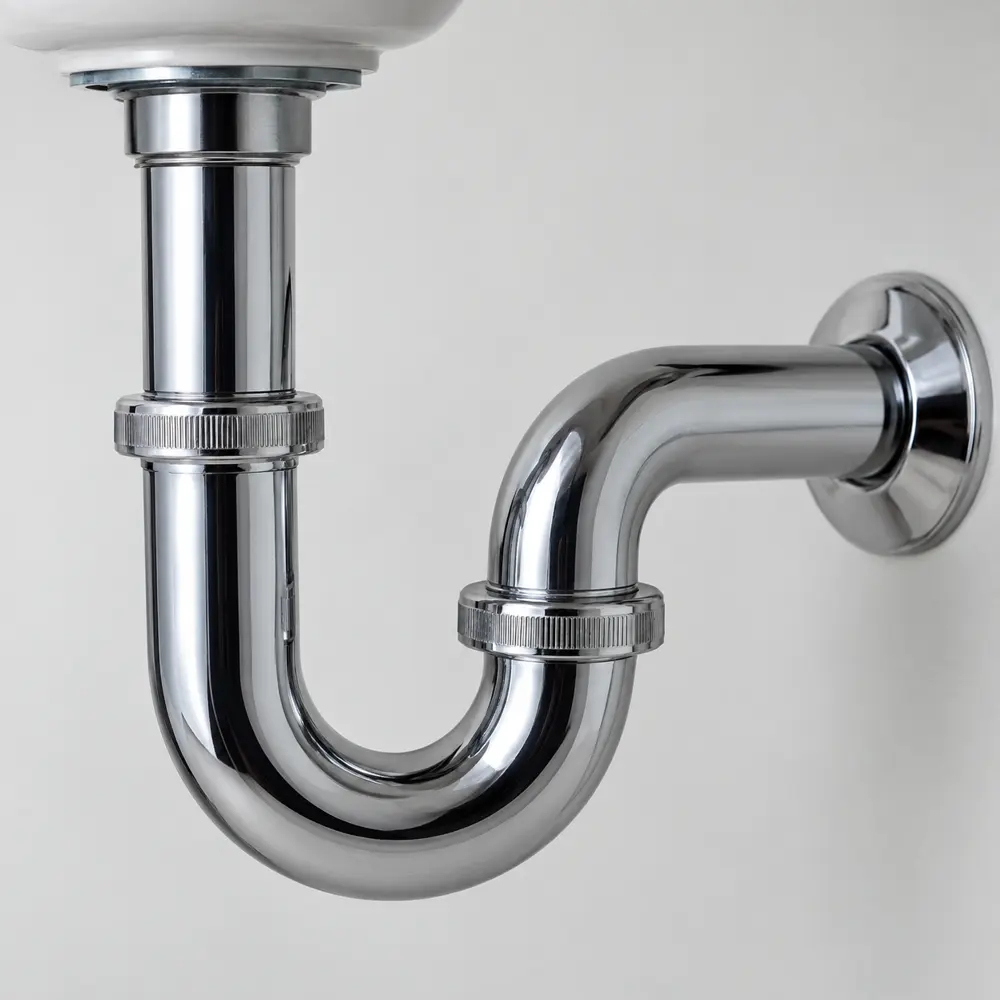
A clog that does not clear leaves the chemical sitting in standing water. The next person to open the trap, usually a plumber, has to deal with it. That is why many plumbers ask whether anything was poured down the drain before they start.
The Real Risks, in Order
| Risk | What happens | Who it affects |
|---|---|---|
| Burns | Lye and acid are caustic on skin and eyes | You and anyone who opens the trap |
| Fumes | Strong fumes can injure the lungs, and mixing products makes it worse | Everyone in the room |
| A caustic pool in a blocked line | The product sits in standing water and does not clear the clog | The plumber and you |
| Heat | The reaction gives off heat inside the pipe | Pipes, traps and fittings |
| Repeat clogs | It opens a hole through the clog but leaves buildup on the wall | Your drain, again within weeks |
Never mix cleaning products. Poison Control says mixing an acid cleaner with bleach forms irritating chlorine fumes, and mixing ammonia with bleach releases chloramine gas. Those mixtures can cause serious breathing problems.
A Garbage Disposal and a Bottle of Cleaner Do Not Mix
If the sink has a garbage disposal, pouring cleaner into a jammed unit is a particular problem. The liquid pools in the disposal, and anyone reaching in or removing the unit can be splashed. See garbage disposal repair for safe reset steps.
Cleaners also do nothing for the most common cause of repeated kitchen clogs. An Orange County sewage spill prevention guide names grease as one of the two main causes of blockages. Grease cools in the line and coats the pipe wall, which a cleaner may soften without fully removing.
What to Try First
Plunge
A cup plunger on a sink or tub, with the overflow blocked, clears many soft clogs. Use a flange plunger on a toilet.
Clean the trap
Put a bucket under the curved pipe below the sink, unscrew the slip nuts and clear the hair and sludge by hand with gloves.
Use a hand snake
A small drum auger can reach a clog beyond the trap. Feed it gently and pull out what it catches.
If none of that works, stop there. A clog that survives all three is usually deeper, and the next step is not another product. See emergency drain cleaning for what a plumber does.
What a Plumber Uses Instead
A plumber clears a blockage with a power cable, a camera and, for heavy buildup, a high pressure jetter. These tools remove the clog mechanically instead of dissolving it. A camera shows whether the problem is hair, grease, roots or a broken pipe.
For grease, scale and roots in a sound pipe, hydro jetting scours the wall of the pipe so the line stays clear longer. For a line that keeps failing, a camera pass may show a crack or a collapsed section, which a chemical cleaner cannot fix.
If several drains are gurgling or backing up together, the clog is in the main line. See emergency sewer line repair for the signs and what to do. Do not pour anything into a backed-up main.
When a Chemical Cleaner Is Especially the Wrong Tool
- Several drains are slow at once. The blockage is in the main line, and a product poured into one fixture cannot reach it.
- The drain has been slow for weeks. A slow, steady decline points to buildup or roots, not a fresh clog.
- Standing water is already in the fixture. The chemical sits in it and becomes a hazard.
- A toilet is blocked. Cleaners are not made for toilets and can damage the bowl or splash back.
- The home has older pipe or a known weak spot. Heat and caustic liquid are poor company for aging joints.
Keep the product label if you have already used one. It tells the plumber which chemical is in the line, which changes how the trap is opened and how the water is handled. Wear gloves and eye protection if you must open the trap yourself.
In each case the faster route is a plumber with a camera and the right tool. A short visit costs less than a cleaning, a failed product and a second visit.
Prevent the Next Clog
- Let cooking grease cool and put it into a metal can instead of the sink, as an Orange County prevention guide advises.
- Use a hair catcher in the shower and tub.
- Do not flush wipes, paper towels or anything but toilet paper.
- Know where your cleanout is so a plumber can reach the line quickly.
- Plant trees away from the sewer lateral, since roots seek moisture.
Drain blocked and the plunger did not help?
Call any hour. Say what you tried and whether anything was poured down the drain.
Sources and Standards
Local figures and standards on this page come from these published sources.
Common Questions
It is a strong chemical that can burn skin and give off harmful fumes. It also does not remove the buildup on the pipe wall, so clogs often return.
No. The liquid pools in the unit and can splash back when it is opened. Use a hex key or pliers and a safe reset instead.
Do not add more. Tell the plumber what you poured and when, so they can handle the standing liquid safely.
Never mix cleaning products. Some combinations release toxic fumes.
A plunger or hand cleaning of the trap. If those fail, call a plumber.
Stubborn Clog? Call Now
Call any hour in Mission Viejo. Tell the plumber what you tried and whether any chemical was poured into the drain.
Call (949) 998-2846