How to Check Your Home Water Pressure With a Simple Gauge
Water pressure that is too high wears out fixtures, and pressure that is too low can hide a leak. A ten dollar gauge shows which one you have.
- 24/7 emergency calls
- Nights, weekends and holidays
- Mission Viejo, CA
Why Pressure Matters Inside the Walls
Every pipe, valve and appliance in a house is built for a range of pressure. When the pressure is too high, parts wear faster and joints strain. When it is too low, showers feel weak and appliances run slowly.
The U.S. EPA WaterSense program says fixtures work best when incoming pressure is between 45 and 60 pounds per square inch. The City of San Diego tells customers that a pressure regulator is typically set to around 80 psi. San Diego also says a faulty regulator is a common cause of a sudden rise in pressure.
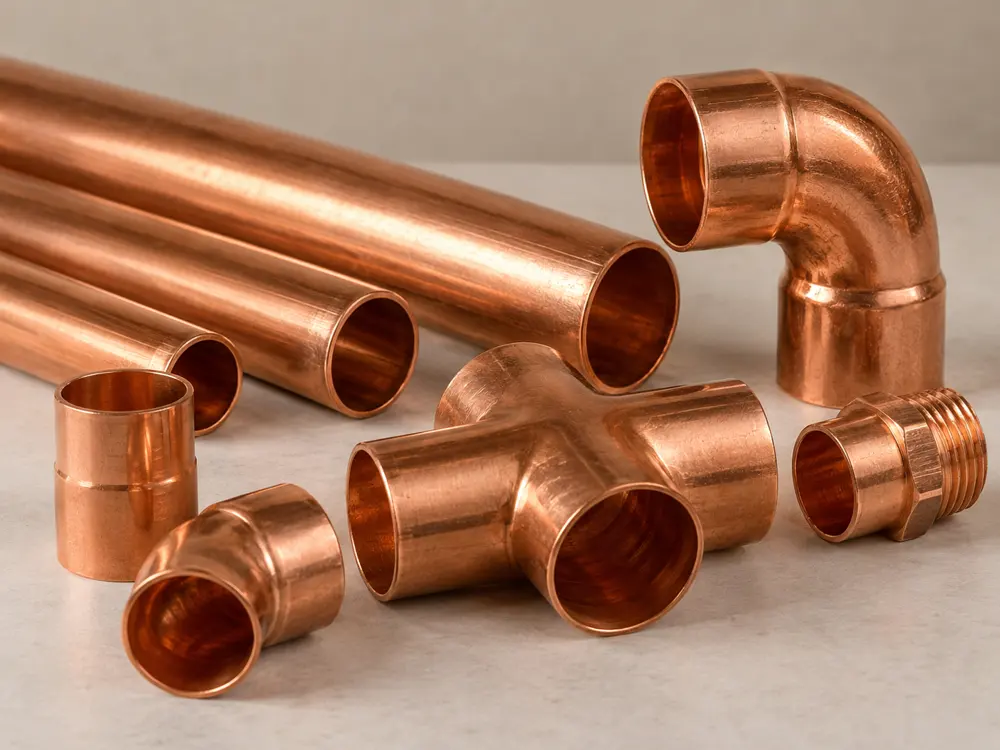
Those numbers come from other agencies, and your own district may publish different figures. They still give a useful yardstick. A gauge reading far outside them is worth a closer look.
How to Test Pressure at a Hose Bib
A pressure gauge screws onto an outdoor faucet like a garden hose does. WaterSense describes the method in plain terms. Turn off all water using fixtures and systems, attach the gauge to the hose bib and open the water fully.
Buy a hose bib gauge
Hardware stores sell a basic gauge that screws onto a standard faucet thread. Choose one that reads up to at least 100 psi.
Stop all water use
Shut off the dishwasher, washer, sprinklers and ice maker. Make sure no tap or toilet is running anywhere in the house.
Attach and open
Thread the gauge onto the hose bib hand tight, then open the faucet all the way and read the dial.
Test at different times
Check again in the early morning and in the evening. Pressure can vary through the day on a shared supply.
Write down each reading and the time. A single number can mislead, and a record helps the plumber if you need a visit.
What Your Reading Can Mean
| Reading | What it may mean | What to do |
|---|---|---|
| Under 45 psi | A partly closed main valve, a clogged line or filter, or a hidden leak | Check the main valve, then ask about leak detection |
| 45 to 60 psi | The range EPA describes as best for fixtures | No action needed |
| Around 80 psi | Common regulator setting cited by San Diego | Acceptable, but watch for wear |
| Well above 80 psi | A failing or missing pressure regulator | Have a plumber test and replace the regulator |
| Needle that creeps up | Pressure building behind a bad regulator or closed system | Call a plumber promptly |
WaterSense says a reading much lower than 45 psi may point to an undetected leak. It also says that a reading much higher is a reason to consider a pressure regulating valve.
Signs of High Pressure You Can See and Hear
A gauge is the proof, but the house often gives hints first. Fixtures tend to fail early when pressure runs high.
- Banging pipes when a valve closes quickly.
- A water heater relief valve that drips.
- Toilets that run on or refill with a hiss.
- Faucets that drip soon after a new washer.
- Hoses and braided supply lines that bulge or burst.
If several of these show up together, test the pressure before replacing the parts one at a time. Fixing the cause saves repeat repairs. A plumber can test a regulator, replace it and set the pressure in one visit.
What a Pressure Regulator Does
Many homes have a pressure regulator, a bell shaped valve near the main shutoff. It takes the pressure from the street and lowers it to a steady level for the house. Over time the internal parts wear, and the regulator can drift or fail.
When a regulator fails, pressure can climb without warning. That is why San Diego names a faulty regulator as a common cause of a sudden pressure rise. A regulator that never creeps is a quiet part, and a failing one gives clues such as banging pipes and a dripping relief valve.
A plumber can test the regulator, adjust it or replace it. The work is usually done at the main and does not require opening walls. If your home has no regulator and the gauge reads high, ask whether one should be added.
Questions to Ask Before You Replace Fixtures
- Has anyone tested the pressure at the hose bib with a gauge?
- Is there a regulator on the main, and how old is it?
- Do the symptoms appear at one fixture or at all of them?
- Did the problems start after street work or a repair?
Answers to these questions point to the real cause. They also keep you from replacing faucets and supply lines that were never the problem.
When Low Pressure Points to a Leak
Low pressure at every fixture is different from one weak shower. Weak pressure at a single tap is often a clogged aerator or cartridge. Weak pressure everywhere can come from a half closed main valve, a failing regulator or a leak in the line.
A leak between the meter and the house can quietly lower pressure while the meter keeps moving. Our guide on reading your water meter shows how to check. If the meter runs with everything off, leak detection in Mission Viejo can find the source without tearing up the yard.
If the problem is the supply pipe itself, water line repair and replacement explains what a fix involves. Your water district handles the main in the street, and the line from the meter to the house is generally the owner's concern.
Got a reading that looks off?
Call and give the gauge number, the time and any symptoms. The plumber will tell you whether it points to a regulator or a leak.
Sources and Standards
Local figures and standards on this page come from these published sources.
Common Questions
EPA WaterSense says fixtures work best between 45 and 60 psi. Some regulators are set higher, and San Diego cites around 80 psi.
Use an outdoor hose bib on the house side of the main valve. Turn off all water use inside first.
Yes. It strains fittings, supply lines and appliances, and it can cause leaks and banging.
Many homes have a pressure regulator near the main. That part belongs to the house and a plumber can adjust or replace it.
No. Clogged aerators and a half closed valve are common causes. A leak is one possibility, so test with the meter.
Want a Plumber to Test the Pressure?
Call any hour in Mission Viejo. Share your gauge reading and a plumber can test the regulator and the lines.
Call (949) 998-2846