How to Keep Grease Out of Your Kitchen Drain in California
Grease looks harmless when it is hot and liquid. Here is how it turns into a blockage and the habits that stop it.
- 24/7 emergency calls
- Nights, weekends and holidays
- Mission Viejo, CA
What Happens to Grease in a Pipe
Santa Margarita Water District describes fats, oils and grease, often shortened to FOG, as material that quickly cools and hardens inside pipes. Over time, it says, the buildup creates stubborn blockages. Those lead to slow drains, foul odors, sewage backups and costly plumbing repairs.
H2OC, the Orange County sewer agency group, makes a similar point. It says grease is one of the main things that block sewer lines, along with roots. Property owners are responsible for the lateral that connects the house to the sewer main.
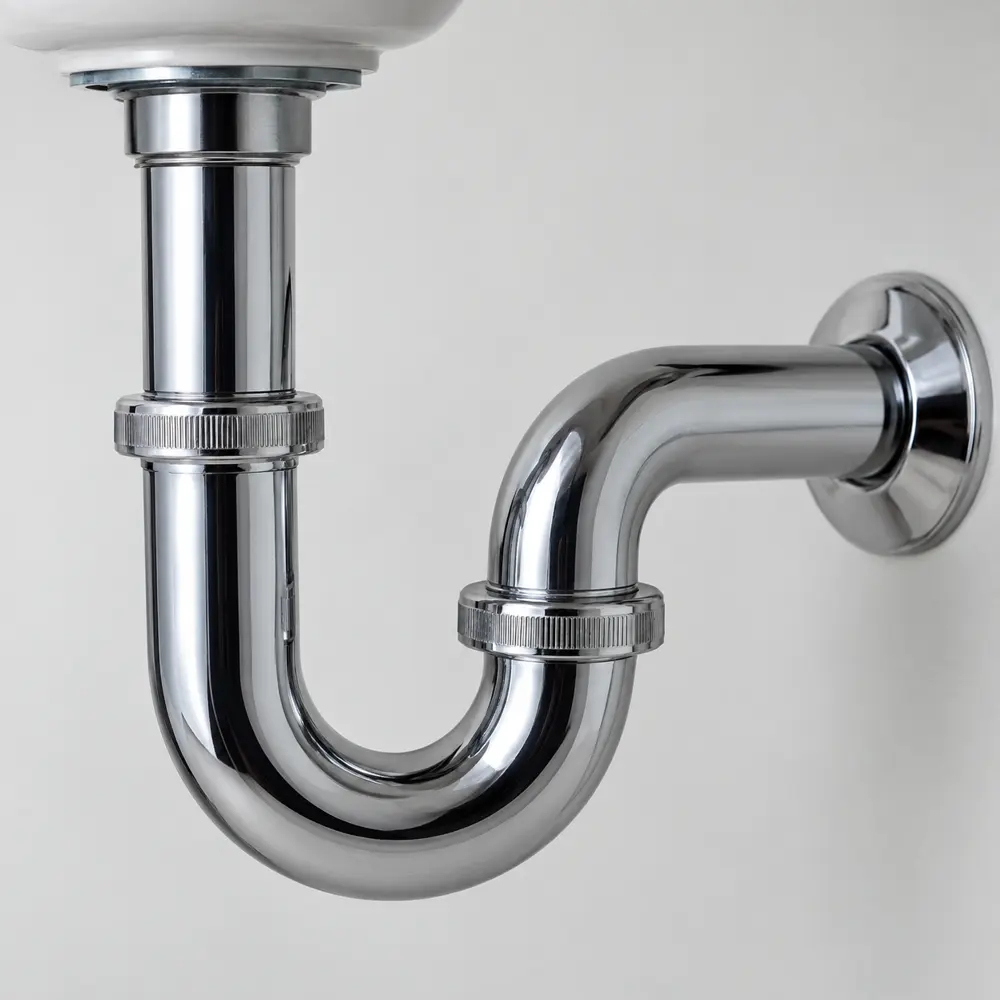
Hot dish water does not wash grease away. It carries it to the first cool pipe, where it sticks to the wall. Each meal leaves a thin layer, and the layers add up.
What Should Never Go Down the Kitchen Drain
| Item | Why it causes trouble | What to do instead |
|---|---|---|
| Fryer oil and cooking grease | Cools and hardens inside the pipe | Pour it into a sealed container and bin it once full |
| Bacon fat and meat drippings | Solidifies in the trap | Let it cool in a can and throw it out |
| Food scraps | Collects grease and snags on rough pipe | Scrape plates into the trash or compost |
| Coffee grounds | Pack into a dense layer | Compost them or bin them |
| Rice and pasta | Swell and clump in the trap | Scrape into the trash |
SMWD's advice is simple. Pour cooled grease into a sealed container rather than the sink, and scrape food scraps into the trash or compost. Wiping greasy pans with a paper towel before washing helps too.
Daily Habits That Protect the Line
Keep a grease can
Keep a small sealed container by the stove. Pour cooled fats in each time and bin it when full.
Wipe before washing
Wipe pans and plates with a paper towel so most of the grease goes in the trash instead of the sink.
Use a strainer
A mesh strainer in the sink catches scraps before they reach the trap. Empty it into the trash after each meal.
Run hot water after use
A short flush of hot water after washing can move loosened residue along. It does not replace the steps above.
These habits cost almost nothing, and they protect your own pipes as well as the shared sewer system. A kitchen that handles grease well tends to need fewer drain visits.
Why Garbage Disposals Do Not Solve It
A garbage disposal chops food into small pieces. It does not dissolve grease, and the small pieces still travel into the drain. Fats can coat the blades and the drain arm, which leads to odor and slow flow.
If your disposal hums, jams or smells, read about garbage disposal service before the problem grows. A jammed unit and a greasy drain often show up together. Treat both at the same visit when you can.
Why It Matters Beyond Your Own House
Your drain is the start of a much larger system. Grease that leaves your house can harden in the lateral and then in the public sewer. Water districts spend real effort on cleaning and monitoring because grease blockages are preventable.
SMWD frames the issue as shared. Its page tells residents to scrape food scraps into the trash or compost, and it asks restaurants to maintain grease traps and schedule routine pump outs. The same logic applies at home on a smaller scale.
A blockage in your own lateral is your responsibility, according to H2OC. That is one more reason to treat the kitchen sink as a drain for water and soap only. A cheap strainer and a grease can protect an expensive line.
Signs Grease Is Already Building Up
- The kitchen sink drains slower than the bathroom sinks.
- A sour or stale smell rises from the drain even after cleaning.
- Water gurgles in the sink when the dishwasher drains.
- Clogs return within weeks of being cleared.
- Standing water appears in the sink after the disposal runs.
One or two of these signs can be a trap problem. Three or more usually point to a layer of grease further down the line, and cleaning it is a job for a cable or a jetter.
A Note for Renters and Shared Homes
Shared kitchens and rentals have the same pipes and the same risk. Post a short note by the sink that says where the grease can goes. People follow a habit when it is easy to see.
If a rental has repeated slow drains, tell the property manager and keep a record of the dates. A line that clogs again and again may need a cable or jetter visit, and a manager can arrange it. Small habits at the sink still help between visits.
When a Slow Drain Needs More Than Habits
If the sink drains slowly even after you change habits, the pipe may already have a grease layer. A plunger may help with a soft clog. Chemical cleaners are not recommended, since they can burn and rarely clear a hardened layer. Our guide on chemical drain cleaners explains why.
A plumber can clear the line with a cable or with water jetting, which scours the pipe wall. For a recurring clog, drain cleaning in Mission Viejo covers how a clog is cleared, and hydro jetting explains the high pressure option for built up grease.
Kitchen sink draining slowly or backing up?
Call and describe the symptoms. The plumber can tell you whether it is a simple clog or a buildup in the line.
Sources and Standards
Local figures and standards on this page come from these published sources.
Common Questions
No. Hot water carries grease to cooler pipes where it hardens. Pour cooled grease into a sealed container instead.
Let it cool, pour it into a sealed container and put it in the trash, as SMWD advises.
Soap helps in the sink, but the grease can still harden further down the line.
Food and grease residue in the trap or disposal is a common cause. Cleaning the strainer and trap often helps.
H2OC says the property owner is responsible for the lateral from the house to the main.
Kitchen Drain Slow or Backing Up?
Call any hour in Mission Viejo. Describe what the sink is doing and a plumber can plan the right fix.
Call (949) 998-2846