How to Tell a Slow Drain From a Sewer Backup in Your Home
A slow sink and a backing up sewer need very different responses. Here is how to tell which one you have.
- 24/7 emergency calls
- Nights, weekends and holidays
- Mission Viejo, CA
One Drain or Many
Every fixture in a house connects to a branch, and the branches meet at the main line that leaves the house. A clog in a branch affects one fixture or a small group. A clog in the main line affects the lowest drains first and can push water back up.
That is the key question. If only one sink or tub is slow, the problem is likely local. If a toilet, a shower and a sink all misbehave together, suspect the main line.
H2OC says grease and roots are common causes of blockages in sewer lines. It also says property owners are responsible for the lateral that connects the house to the sewer main. That puts the main line inside your responsibility.
Start by noticing the pattern, since the pattern tells you where the blockage sits. Write down which fixtures are slow and when it began. That note makes the diagnosis faster for you and for the plumber.
Signs Side by Side
| Sign | Likely a local clog | Likely a main line problem |
|---|---|---|
| How many fixtures | One sink, tub or toilet | Several fixtures at once |
| Where it shows | At the fixture itself | At the lowest drain, such as a floor drain or shower |
| Sounds | Gurgling at that fixture only | Gurgling in other fixtures when one drains |
| Backup | Water rises in one basin | Water or sewage appears in another fixture |
| Smell | Mild odor near that drain | Sewage odor in the house or yard |
| Plunger | Often clears it | Makes little difference |
These signs are guides, not a diagnosis. A plumber can confirm with a camera.
What to Try for a Local Clog
Clear the strainer and trap
Remove hair and debris from the strainer. For a sink, check the trap under the basin.
Use a plunger
Use a plunger with a good seal. A sink plunger and a toilet plunger are different shapes.
Skip the chemicals
Strong drain cleaners can burn and rarely clear a hard clog. Our guide on drain cleaners explains why.
Stop if it comes back
A clog that returns within days points to a deeper blockage.
If one fixture stays slow after these steps, drain cleaning covers how a plumber clears the line with a cable or jetter.
What to Do When You Suspect the Main Line
If multiple fixtures are slow or sewage is rising in a low drain, stop using water. Every flush, shower and load of laundry sends more water to a line that cannot take it. Keep the water off until a plumber has looked.
Do not pour chemicals into a backed up main line. Keep children and pets away from standing sewage, and wear gloves if you must touch anything. If water has reached floors or walls, call a plumber promptly and take photos.
Some homes have an outdoor cleanout, which is an access point on the main line. A plumber can use it to clear the line without removing a toilet. Ask about it during the visit.
What Causes Main Line Problems
H2OC points to grease and roots as common causes of blockages in sewer lines. Roots find small cracks and joints and grow inside the pipe. Grease builds up on the walls and narrows the opening.
Other causes include pipes that shift, sag or crack over time. Wipes and paper products that should not be flushed can also catch on rough spots. A camera inspection shows which of these is behind your problem.
Knowing the cause matters because it decides the fix. A grease clog may clear with jetting, while a root intrusion may need cutting. A cracked or sagging pipe may need a spot repair or a new section.
What to Have Ready When You Call
- Which fixtures are slow or backing up, and since when.
- Whether the problem started after heavy use, such as laundry or a party.
- Any past clogs and who cleared them.
- The age of the house and any known tree roots near the line.
- Whether you have noticed a sewage smell inside or outside.
This short list saves time on the phone. It also helps the plumber bring the right equipment to the first visit.
Protecting the Line in Daily Life
Few habits protect a main line better than what goes down it. Flush only toilet paper, even when a package says flushable. Keep grease, coffee grounds and wipes out of every drain.
Watch the yard too. Large trees close to the line can send roots toward joints, and a patch of unusually green or soggy ground can signal a leak. A camera inspection every so often shows the line's condition before a backup happens.
If you are buying a home, ask a plumber about the sewer line before closing. A quick look can save a large repair later.
What a Plumber Will Do
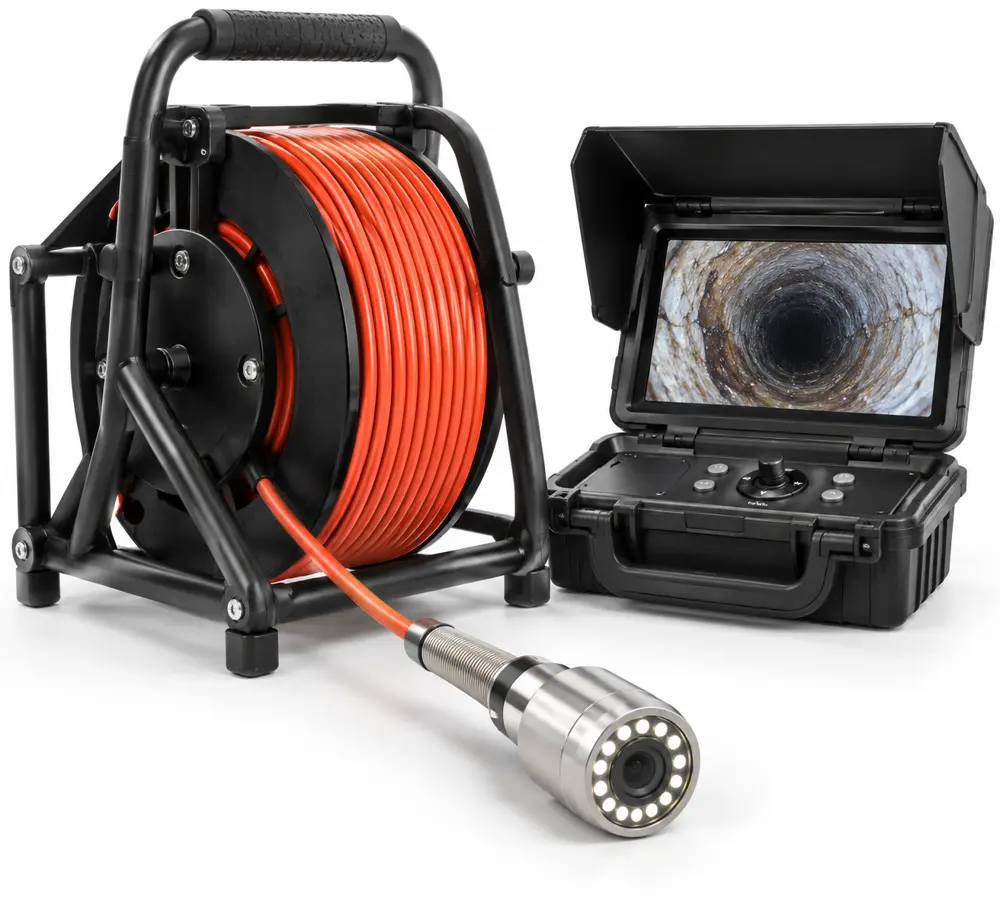
A plumber will usually clear the blockage first and then look inside the line with a camera. That shows whether the cause was grease, roots, a shifted joint or a belly in the pipe. Clearing without looking leaves the cause unknown.
If the line is cracked or collapsed, see emergency sewer line repair. When the pipe is beyond a spot fix, sewer line replacement explains the larger repair. Many cases never reach that point and a camera inspection settles the question.
Several drains slow or sewage backing up?
Call and describe which fixtures are affected. A plumber can tell you what to do while help is on the way.
Sources and Standards
Local figures and standards on this page come from these published sources.
Common Questions
Several fixtures acting up at once is the biggest sign. Gurgling in one fixture when another drains is another.
Rarely. A plunger cannot reach it. A plumber uses a cable or a jetter and a camera.
H2OC says the property owner is responsible for the lateral from the house to the sewer main.
H2OC lists grease and roots among the common causes. Other causes can include shifted or damaged pipes.
If you suspect a main line blockage, no. Stop using water until the line is cleared.
Drains Backing Up in Your House?
Call any hour in Mission Viejo. Share which fixtures are slow and a plumber can plan the visit.
Call (949) 998-2846